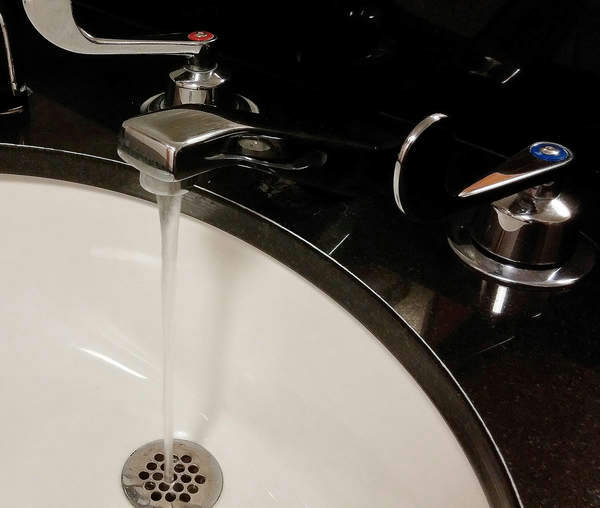
High water pressure is a common issue that can lead to considerable wear and tear on a home’s plumbing system. Homeowners often overlook this problem until it causes damage, making it crucial to maintain optimal water pressure levels. Understanding how to manage and monitor water pressure can prevent costly repairs and extend the lifespan of plumbing fixtures.
Understanding Water Pressure
Water pressure is typically measured in pounds per square inch (psi). Most residential plumbing systems are designed to operate efficiently at a pressure of 40 to 60 psi. Pressure levels exceeding 80 psi can strain pipes, joints, and fixtures, increasing the risk of leaks and damage.
- Standard residential water pressure: 40-60 psi
- High risk of damage: Above 80 psi
Monitoring and Managing Water Pressure
Regularly monitoring water pressure is essential for maintaining a safe plumbing system. Homeowners should consider installing a pressure gauge to provide a quick and easy way to check water pressure levels. If high pressure is detected, a pressure reducing valve (PRV) can be installed to regulate water flow and protect plumbing fixtures.
- Use a pressure gauge to monitor water pressure
- Install a PRV to regulate water flow
- Schedule regular maintenance checks with professionals
Professional Home Inspections
During a home inspection, inspectors observe the visible and readily accessible components of the plumbing system. While they do not dismantle systems, they can recommend further evaluation by a licensed plumber if high water pressure or other plumbing issues are suspected. Regular inspections are a proactive way to ensure a home’s plumbing system remains in optimal condition.
Maintaining proper water pressure is vital for the longevity of a home’s plumbing system. By regularly monitoring pressure levels and seeking professional evaluations, homeowners can prevent potential damage. Engaging with professional home inspection services ensures that any concerns are promptly addressed, providing peace of mind and protecting the investment in the property.