Electricity powers our modern homes, yet it also poses significant risks if not managed correctly. With electrical faults causing numerous fires and injuries annually, understanding electrical safety is crucial for homeowners. For those seeking to safeguard their investment and family, comprehensive knowledge in this area is invaluable. As experienced home inspectors, we’re here to share key insights into electrical safety essentials.
Understanding Electrical Panels
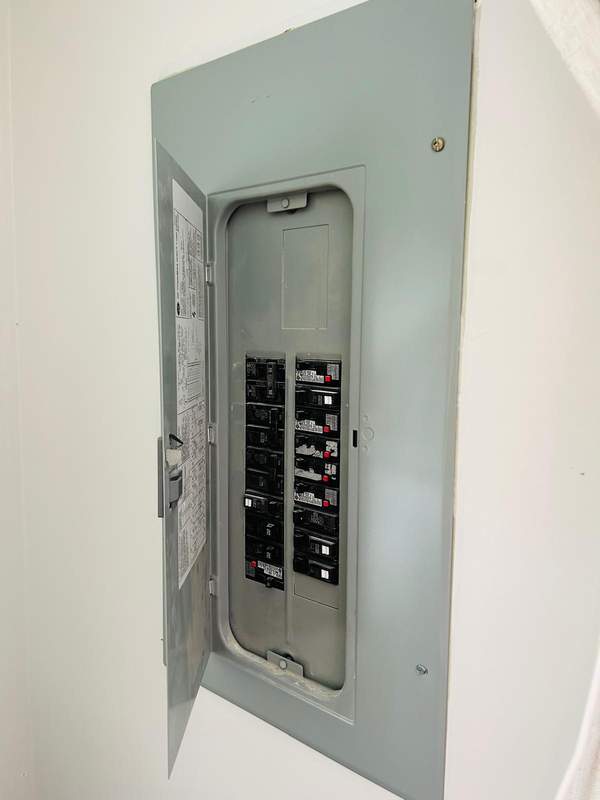
The electrical panel, often referred to as the breaker box, is the heart of a home’s electrical system. It distributes electricity throughout the house and protects circuits from overloading. A well-maintained panel is vital for safety and efficiency. Here are some key points to consider:
- Labeling: Ensure all circuits are clearly labeled. This helps in quickly identifying and shutting off circuits during emergencies.
- Capacity: Overloading a panel can be hazardous. Check that the panel’s amperage is adequate for the home’s needs. Modern homes typically require at least 200 amps.
- Inspection: Look for signs of wear, such as rust or scorch marks, indicating potential issues that need professional attention.
Wiring and Outlets
Proper wiring and outlet installations are essential for preventing electrical accidents. Here are some important considerations:
- GFCI Outlets: Ground Fault Circuit Interrupter (GFCI) outlets are a must in areas exposed to moisture, such as kitchens and bathrooms, as they prevent electrical shocks.
- Aluminum Wiring: Homes built before the 1970s may have aluminum wiring, which can be a fire hazard. Consider upgrading to copper wiring for enhanced safety.
- Loose Connections: Regularly check outlets and switches for warmth or looseness, signs that repairs might be needed.
Adhering to Standards and Codes
Adherence to electrical codes and standards is non-negotiable for home safety. The National Electrical Code (NEC) sets the benchmark for safe electrical design, installation, and inspection. Homeowners should ensure that all electrical work complies with these standards. Hiring professionals ensures that installations and repairs are up to code, safeguarding your home and loved ones.
In conclusion, understanding and implementing electrical safety measures is fundamental to protecting your home and family. Regular inspections by certified professionals can uncover hidden issues and ensure compliance with safety standards. Consider scheduling a professional home inspection to evaluate your electrical system’s integrity and safety.